Innately Keane
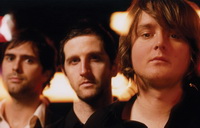
British broadsheet The Observer published a scathing analogy likening homegrown Keane to “a vast grey oil tanker, every over-produced move signalled miles in advance.”
I'd like to think the band
devised the name of their second album, Under
the Iron Sea, as an ironic retort to said scathing analogy – but this seems
unlikely. All the evidence posits Keane as a trio of irony-free young
middle-Englishmen who turn out well-upholstered, radio-friendly ballads
rippling with shivery melodies and keening choruses.
This much we know. Some renowned bastions of music criticism applauded Keane's
guitar-free debut album, Hopes and Fears;
notably Rolling Stone, which said the
record “contains more hooks than most pop groups manage in their careers,” and Q magazine, which favourably compared
the debut to Oasis' Definitely Maybe.
But journalists' barbs were more often sharpened for a quick kill. The
three-piece were written off as pretty but vacant; epic but soulless; accused
of hogging the fast-track to mid-tempo middle-of-the-road. Worse, Keane seemed
to have been boy-band branded by a team of cynical suits brandishing
demographic charts, so were homogenised and inauthentic.
One wag called them “the
final triumph of selective breeding,” implying Keane plotted their passage to fame in league with people
even more sinister than those populating your average record label PR
department.
Mercifully, for Keane, their popularity, in the era of digi-sharing and viral
marketing, is impervious to critical opinion. Hopes and Fears shifted over 5 million units; and landed them a
couple of Brit awards, a Grammy nomination, gigs supporting U2, and a slot at
Live 8. Not bad for a debut album.
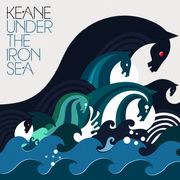
The follow-up shot to number one in the
Their sales may be review-proof, but the band's members aren't: “the logical
part of us doesn't care, but yes, of course everyone wants to be liked,”
admitted Rice-Oxley. Under the Iron Sea,
probably striving for edginess and credibility, beefs up the band's trademark
electric-piano sound with swathes of synthesized guitar and darker textures. First single Is It Any Wonder is a case in point, bolting out of the traps with a fizzing, distorted electro riff and Keane's most driving tempo to date. Excusing Nothing In My Way, this album's pop hooks don't unfurl with the join-the-dots predictably of the band's debut, though the predilection for melodramatic,
sun-breaking-through-clouds choruses is intact. 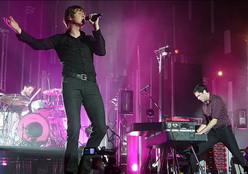
Cherub-faced Tom Chaplin's
extraordinary voice – like a choirboy soaring on angel-dust – is up to the
task. Possessed of a supple but piercing tenor seemingly custom-built for climbing, anthemic choruses, the onslaught over the course of a Keane album leaves the listener with the impression that Chaplin's panoramic vocals could fill the
When record companies queued to brandish their chequebooks at the unsigned
Keane, the band apparently elected for a deal promising them “total creative
control”. Tim Rice-Oxley's songs aren't particularly nuanced – yet – but his
lyrical directness and unerring sense of melody are gifts that shouldn't be
casually dismissed.
Like Dan Brown, Keane plug into a mild yet universal angst, a sort of dissatisfied, existential itch. It's genius, of sorts, and to these ears Keane have potential for greatness. I think they have it in them to write a truly beautiful album. This isn't quite it, but Under the Iron Sea is certainly a strong enough collection to be going on with. Check them out at Impact Arena and judge for yourself. Nobody listens to the critics anyway.
-- Published in Untamed Travel magazine, 2006